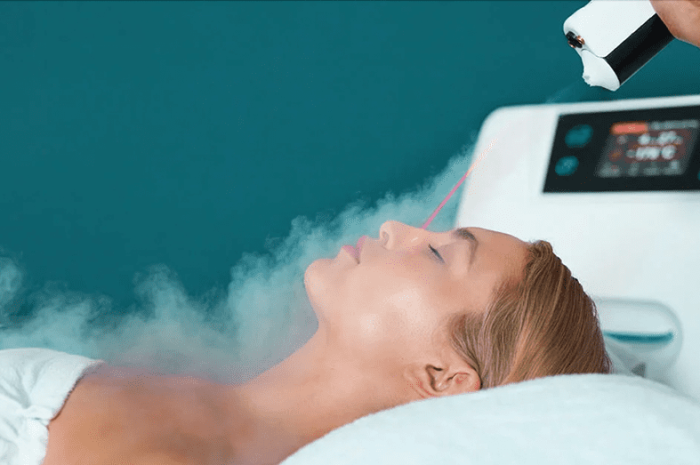
Full Body Cryotherapy
Exposing the entire body to very cold temperatures helps soothe inflammation, with less pain.
Full Body Cryotherapy (Tier 2)
The theory behind cryogenic therapy is that briefly exposing the entire body to very cold temperatures helps soothe inflammation, with less pain. In fact, it’s like a hi-tech version of the classic ice-packs that many of us use to reduce the swelling caused by bumps and sprains.
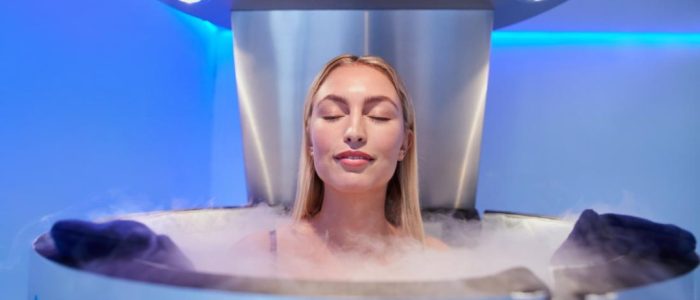
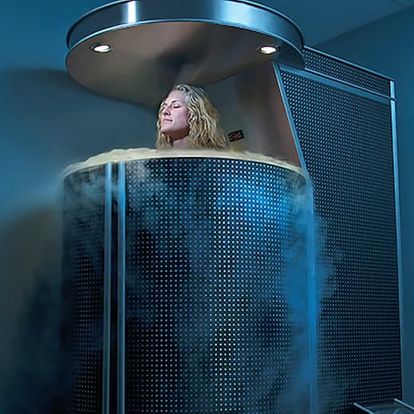
Usually lasting two to four minutes, full-body cryotherapy sessions take place in special chambers or tanks called cryosaunas. Filled with liquid nitrogen vapor, the air is cooled to extreme temperatures, sometimes dropping to 200°F to -300°F, with -130°F – more usual.
Although some of these tanks are walk-in rooms, others are shoulder-high units that leave the head free. Protective coverings are worn on the ears, feet, and hands, as well as regular underclothing or swimwear.
This extreme cold constricts the blood vessels, triggering a natural survival response that forces blood back into your body’s core. When you step out into normal room temperature a few minutes later, blood vessels expand with endorphin-rich blood that is packed with anti-inflammatory substances.
Although not FDA approved, whole-body cryotherapy may well ease pain caused by sports injuries, according to some studies. Not necessarily resulting from accidents, this discomfort may also be triggered by repetitive impacts that damage joints and tissues, leading to persistent problems like tennis elbow, turf toe, and shin splints.
However, it seems clear that full-body cryotherapy sessions can help with many other conditions as well, from Alzheimer’s and anxiety, to arthritis and asthma. Here are the top ten benefits of a whole-body cryotherapy session:
- Numbing irritated nerves, which reduces pain, allowing freer movements and greater physical efforts, with faster recovery times after spurts of intensive physical activities;
- Relieving migraine symptoms, by numbing the nerves in the neck and cooling the bloodflow to the brain, shrinking inflamed blood vessels, and lessening the pressure on sensitive intracranial nerves;
- Less cardiac workloadand lower blood pressure, resulting from the vasoconstriction/vasodilation sequence triggered by icy-cold temperatures;
- Easing arthritis pain,for greater patient comfort, and better possibilities of tolerating more aggressive physiotherapy treatments, leading to faster rehabilitation;
- Soothingirritated skin caused by conditions such as eczema, psoriasis, and acne breakouts, by stepping up the amount of antioxidants in the bloodstream, with less inflammation and faster healing;
- Enhancing moodsby triggering the release of feel-good hormones such as adrenaline, noradrenaline, and endorphins, making this a great short-term treatment for anxiety and depression;
- Shedding weightby pumping up the metabolism for the rest of the day, burning more energy through longer and more intensive bursts of physical activity;
- Reducing inflammation, which is among the root causes of conditions such as depression and dementia, possibly slowing the development of these diseases;
- Less oxidative stressmay help patients with Multiple Sclerosis (MS) and ALS (Amyotrophic lateral sclerosis), enhancing their ability to move and exercise;
- Lower cortisol levelsmean less stress and anxiety, relieving insomnia and improving sleep patterns.
Make sure you and your clothes are completely dry before entering the cryotherapy chamber, and keep moving a little – wiggling fingers and toes, bouncing or marching in place – to keep your blood flowing fast throughout your treatment.
Recommendation: Avoid cryotherapy if you have any nerve-related condition (such as diabetes), if you are pregnant (or trying), or if you have circulatory system problems, like thrombosis, high blood pressure or heart conditions.
Members
$49
Retail
$79
Other Cryo Services
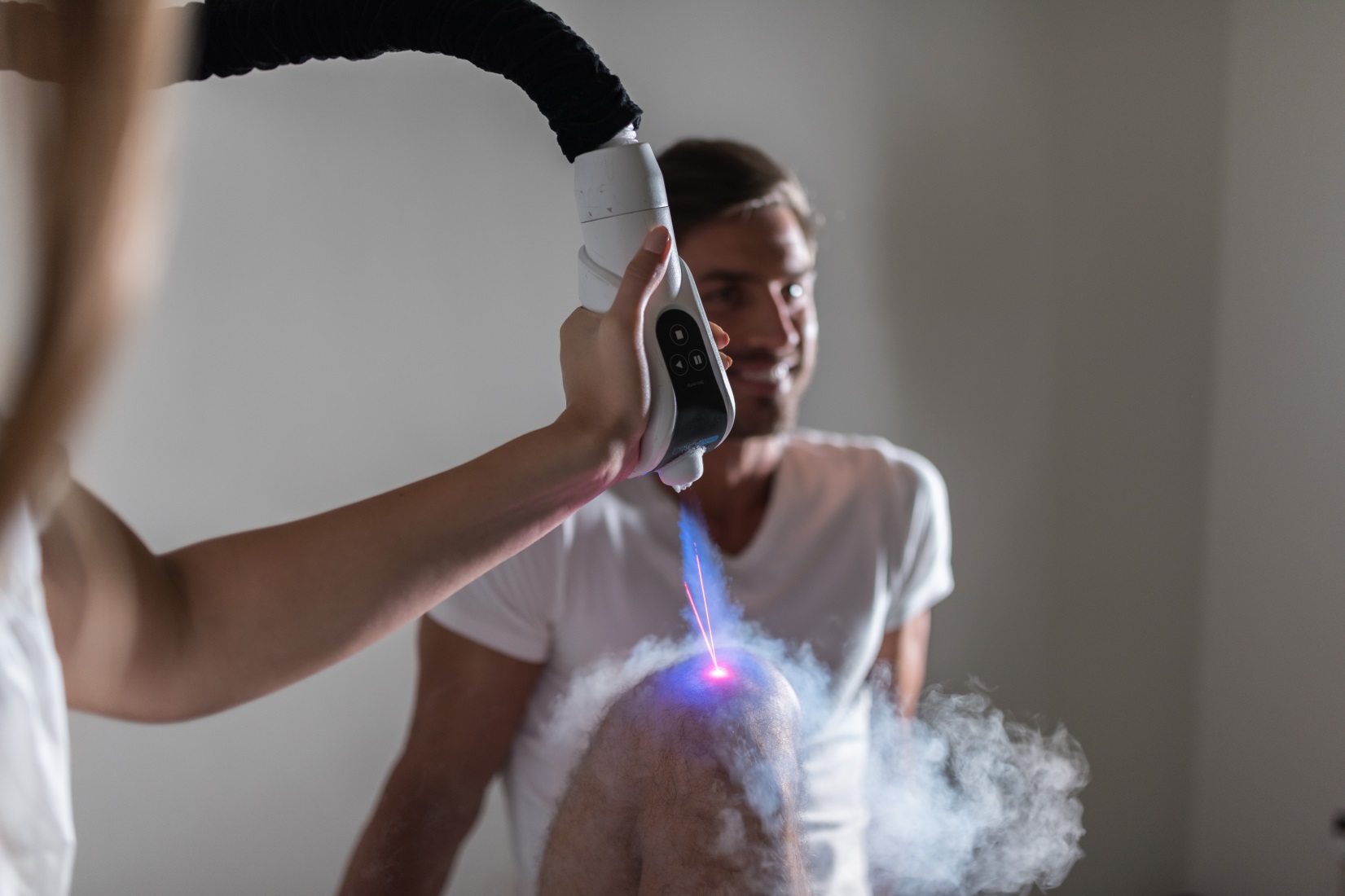
Local Cryotherapy
Facial Cryotherapy
Migraine Relief IV Therapy
Ranked by the World Health Organization as one of the top ten medical illnesses, migraines affect over 37 million people in the USA. Three times more common among women than men, these crippling attacks will affect more than 30% of women during their lifetimes.
Although they’re so debilitating, science still hasn’t discovered the exact cause of these incapacitating super-headaches. Some researchers believe that abnormal brain activities temporarily affect signals in the brain, with alterations to chemicals and blood vessels.
There’s also some evidence that there may be a genetic factor in migraines, perhaps reflected in inherited sensitivities to specific triggers.
Studies have indicated that triggers may be internal, like emotional, physical, and hormonal factors, while others may be external, like diet, medications, and the environment. Highly individual, these triggers vary from person to person, and may change over time.
For instance, some women find that migraines caused by hormonal changes improve after menopause. This is also why certain medications – including combined contraceptive pills and hormone replacement therapy – must be handled carefully for migraine sufferers.
Other frequent triggers include stress, low blood sugar, and dehydration. Fatigue and poor sleep quality may also be to blame, particularly when sporadic, due to jetlag or shift work.
Frequent dietary culprits are caffeine, alcohol, chocolate, and citrus fruit, as well as foods containing tyramine, which include cured meats, smoked fish, and certain cheeses.
Many of the environmental triggers would give anyone a headache: sun glare, flickering lights, smoky or poorly ventilated rooms, loud noises, and strong smells.

When any of these stimuli (and often several at the same time) slam into over-sensitized receptors, the brain overreacts with outsized responses. As its electrical systems misfire in all directions, blood flows alter and nerves are constricted, causing intense pain.
Severe pulsing and throbbing may grip the entire head, or just one side, often accompanied by dizziness, vomiting and nausea, and extreme sensitivity to sound and light. These symptoms can be so severe that migraine victims are unable to work or care for their families.
Intravenous infusions may provide migraine relief in several ways, by delivering electrolytes and vitamins directly into the bloodstream, in a hydrating feline solution. Providing faster and more effective relief than tablets, IV therapy sews overactive nerve endings, while addressing individual symptoms (like pain, inflammation, and nausea) all at the same time.
Affecting one out of every seven people across the globe, migraine is the world’s third most common disease. Although not a definitive cure, IV drip therapy at Magnolia Poconos Wellness offers fast relief from pain, with extra benefits that include mood boosts, with added energy and deeper relaxation.
If you take prescription medications, please check with your physician before signing up for a Migraine Relief IV session.
Members
$139
Retail
$189
Your spa service weekend!
Book your services to our Poconos PA location and enjoy a package stay at our private stream side resort, Magnolia Streamside Resort.