

Facial Cryotherapy
Cutting-edge skincare technique that involves exposing the face to extremely cold temperatures to stimulate various natural responses in the skin.
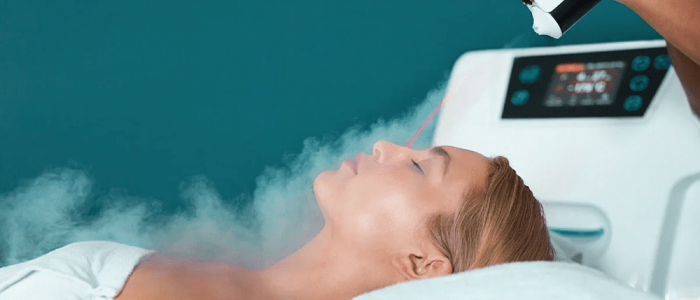
Facial Cryotherapy (Tier 2)
Facial cryotherapy is a cutting-edge skincare technique that involves exposing the face to extremely cold temperatures to stimulate various natural responses in the skin. This non-invasive procedure is typically performed using specialized cryotherapy machines or devices that emit controlled bursts of cold air or nitrogen gas. During the treatment, the skin’s surface temperature drops rapidly, triggering a range of therapeutic effects that promote overall skin health and vitality.
Facial cryotherapy operates based on the principle of cryo-stimulation, where low temperatures are applied to the skin to elicit specific physiological responses. The extreme cold causes blood vessels in the skin to constrict, reducing inflammation and swelling, while also improving blood circulation. Additionally, cryotherapy stimulates the production of collagen and elastin, two essential proteins that contribute to the skin’s firmness and elasticity. This collagen-boosting effect helps reduce the appearance of fine lines and wrinkles, promoting a more youthful complexion.
Moreover, cryotherapy activates the lymphatic system, aiding in detoxification and reducing puffiness and under-eye bags. The combination of vasoconstriction, increased collagen production, improved blood flow, and lymphatic drainage results in a multitude of benefits for the skin, including a brighter, tighter, and more even-toned complexion.
Facial cryotherapy can be considered for various reasons and skin concerns. Here are a few situations where facial cryotherapy may be beneficial:
- Aging Skin: If you’re experiencing signs of aging such as wrinkles, sagging skin, or loss of elasticity, facial cryotherapy can help stimulate collagen production and improve skin texture.
- Acne and Inflammation: The anti-inflammatory properties of cryotherapy can alleviate redness, swelling, and inflammation associated with acne and other skin conditions.
- Dull Complexion: If your skin lacks radiance or appears dull and tired, facial cryotherapy can promote blood circulation and rejuvenate your complexion.
- Puffy Eyes and Dark Circles: Cryotherapy’s ability to reduce puffiness and enhance lymphatic drainage makes it an excellent choice for addressing under-eye bags and dark circles.
Determining if facial cryotherapy is suitable for your specific needs is best done through consultation with a qualified skincare professional.
- Is facial cryotherapy safe for all skin types?
Yes, facial cryotherapy is generally considered safe for all skin types. However, it’s important to consult with a skincare professional who can evaluate your specific needs and ensure proper customization of the treatment.
- How many facial cryotherapy sessions are needed to see results?
The number of sessions required may vary depending on individual goals and skin condition. Typically, a series of sessions spaced apart is recommended for optimal results. Your skincare professional can provide a personalized treatment plan.
- Are there any side effects or risks associated with facial cryotherapy?
Side effects are generally minimal and temporary, including redness and mild irritation. Serious complications are rare but can occur if proper safety measures are not followed. It’s crucial to choose a reputable provider and adhere to post-treatment care instructions.
- Can facial cryotherapy be combined with other skincare treatments?
Yes, facial cryotherapy can complement other skincare treatments such as chemical peels or microdermabrasion. Combining therapies may enhance their overall effectiveness, but it’s essential to consult with a skincare professional for guidance.
- How long do the results of facial cryotherapy last?
The longevity of results varies from person to person. Consistency in maintenance treatments, along with a proper skincare routine, can help prolong the effects of facial cryotherapy. Generally, results can last for several weeks to a few months, but ongoing maintenance treatments may be needed to sustain and maximize the benefits.
- Can I undergo facial cryotherapy if I have sensitive skin?
Facial cryotherapy can be suitable for individuals with sensitive skin, as the treatment can help reduce inflammation and soothe irritation. However, it’s crucial to inform your skincare professional about your skin sensitivity so that they can adjust the treatment accordingly and ensure your comfort and safety.
- Can I wear makeup after facial cryotherapy?
It’s generally recommended to avoid wearing makeup immediately after facial cryotherapy to allow the skin to breathe and recover. However, your skincare professional will provide specific post-treatment instructions, including when it’s safe to resume using makeup products.
- Is facial cryotherapy painful?
Facial cryotherapy may cause a cold sensation on the skin, but it is typically well-tolerated by most individuals. Some people may find it slightly uncomfortable, especially in more sensitive areas. The cold sensation should subside soon after the treatment ends.
- Are there any medical conditions or contraindications for facial cryotherapy?
While facial cryotherapy is generally safe, certain medical conditions or contraindications may prevent individuals from undergoing the treatment. It’s important to disclose any medical conditions, allergies, or medications you are taking to your skincare professional during the consultation.
Members
$49
Retail
$79
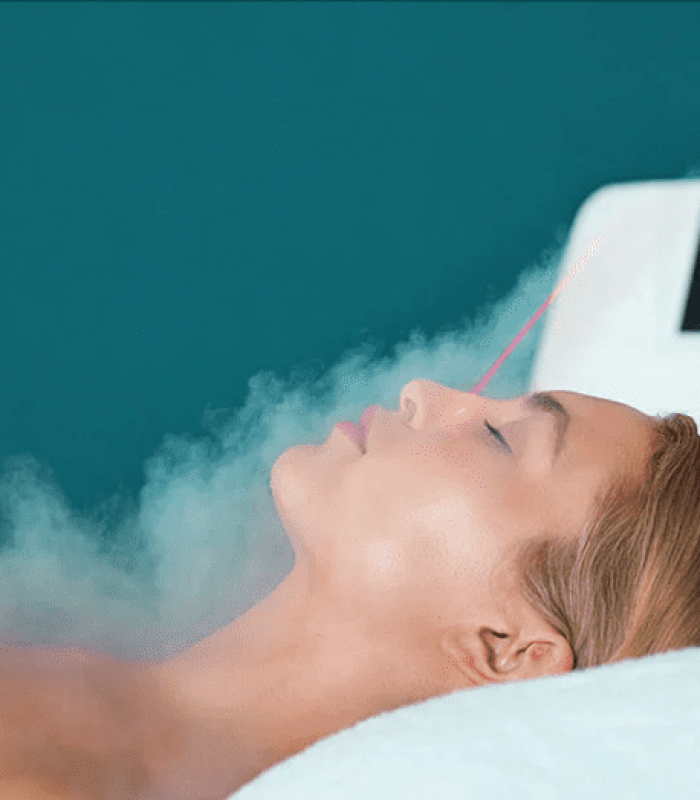
Other Cryo Services
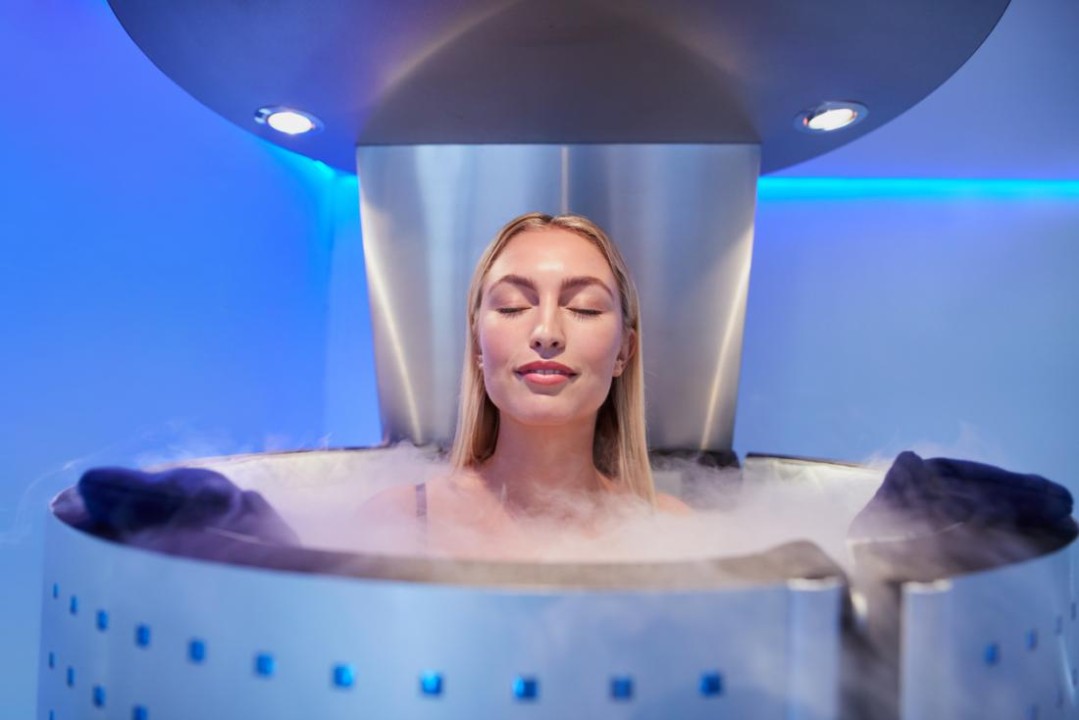
Full Body Cryotherapy
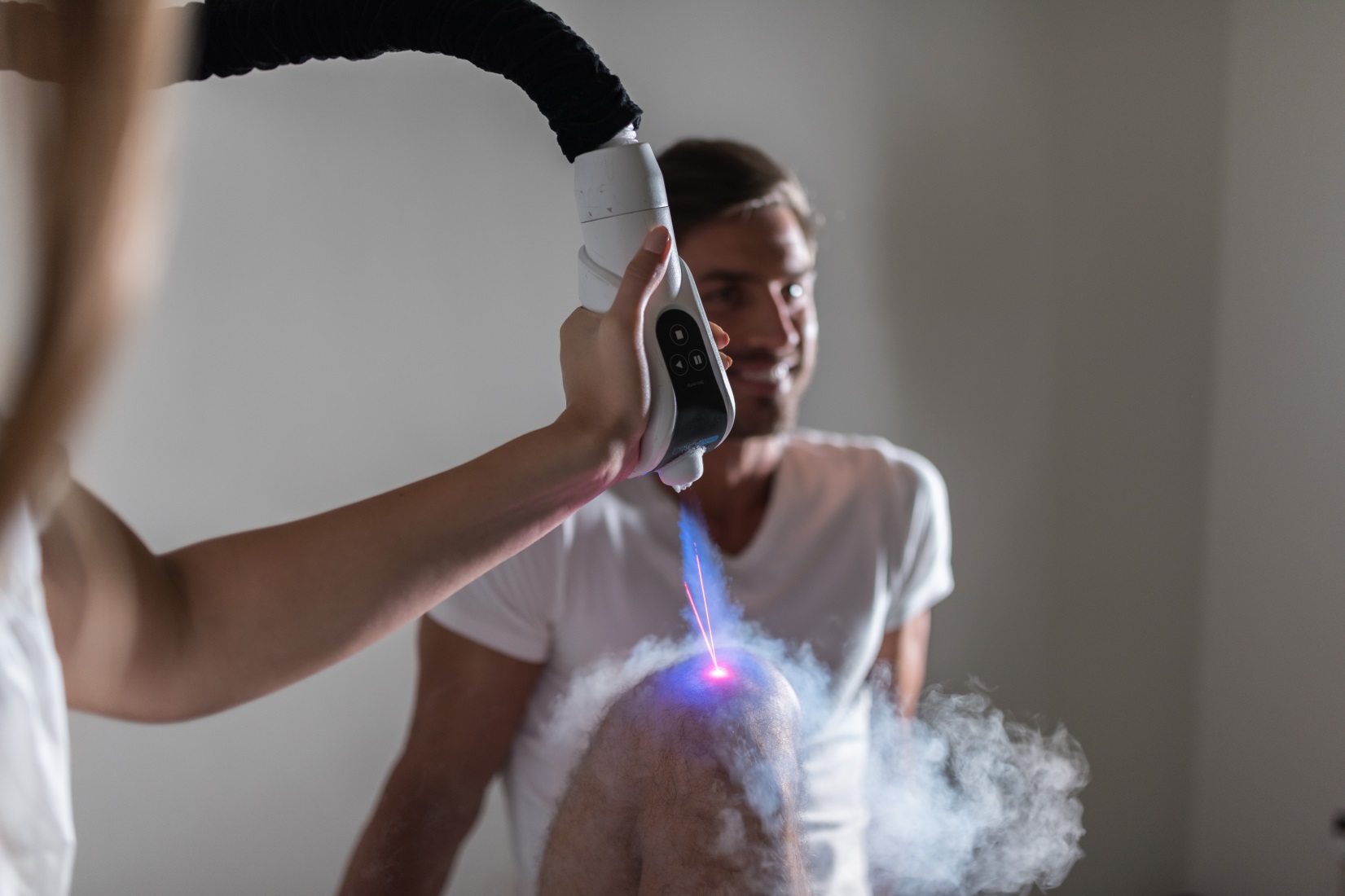
Local Cryotherapy


Migraine Relief IV Therapy
Ranked by the World Health Organization as one of the top ten medical illnesses, migraines affect over 37 million people in the USA. Three times more common among women than men, these crippling attacks will affect more than 30% of women during their lifetimes.
Although they’re so debilitating, science still hasn’t discovered the exact cause of these incapacitating super-headaches. Some researchers believe that abnormal brain activities temporarily affect signals in the brain, with alterations to chemicals and blood vessels.
There’s also some evidence that there may be a genetic factor in migraines, perhaps reflected in inherited sensitivities to specific triggers.
Studies have indicated that triggers may be internal, like emotional, physical, and hormonal factors, while others may be external, like diet, medications, and the environment. Highly individual, these triggers vary from person to person, and may change over time.
For instance, some women find that migraines caused by hormonal changes improve after menopause. This is also why certain medications – including combined contraceptive pills and hormone replacement therapy – must be handled carefully for migraine sufferers.
Other frequent triggers include stress, low blood sugar, and dehydration. Fatigue and poor sleep quality may also be to blame, particularly when sporadic, due to jetlag or shift work.
Frequent dietary culprits are caffeine, alcohol, chocolate, and citrus fruit, as well as foods containing tyramine, which include cured meats, smoked fish, and certain cheeses.
Many of the environmental triggers would give anyone a headache: sun glare, flickering lights, smoky or poorly ventilated rooms, loud noises, and strong smells.
When any of these stimuli (and often several at the same time) slam into over-sensitized receptors, the brain overreacts with outsized responses. As its electrical systems misfire in all directions, blood flows alter and nerves are constricted, causing intense pain.
Severe pulsing and throbbing may grip the entire head, or just one side, often accompanied by dizziness, vomiting and nausea, and extreme sensitivity to sound and light. These symptoms can be so severe that migraine victims are unable to work or care for their families.
Intravenous infusions may provide migraine relief in several ways, by delivering electrolytes and vitamins directly into the bloodstream, in a hydrating feline solution. Providing faster and more effective relief than tablets, IV therapy sews overactive nerve endings, while addressing individual symptoms (like pain, inflammation, and nausea) all at the same time.
Affecting one out of every seven people across the globe, migraine is the world’s third most common disease. Although not a definitive cure, IV drip therapy at Magnolia Poconos Wellness offers fast relief from pain, with extra benefits that include mood boosts, with added energy and deeper relaxation.
If you take prescription medications, please check with your physician before signing up for a Migraine Relief IV session.
Members
$139
Retail
$189
Your spa service weekend!
Book your services to our Poconos PA location and enjoy a package stay at our private stream side resort, Magnolia Streamside Resort.
